Heart disease does not always begin with obvious symptoms. Some people feel completely healthy while having high blood pressure, high cholesterol, diabetes, or other risk factors that can gradually affect the heart and blood vessels. This is why regular preventive care matters.
A preventive heart checkup in Nagpur can help identify cardiovascular risk factors early and give you a clearer picture of your heart health.
Instead of waiting for chest pain or another warning sign, regular screening allows you and your doctor to take action before a problem becomes more serious.
Preventive heart care is not about performing every possible test on everyone. The right checkup depends on your age, medical history, lifestyle, symptoms, and individual risk factors.
What Is a Preventive Heart Checkup?
A preventive heart checkup is a medical assessment designed to identify factors that may increase your risk of cardiovascular disease.
Your doctor reviews your health history, lifestyle, existing conditions, and relevant test results to understand your overall cardiac risk.
Depending on your needs, the evaluation may include blood pressure measurement, blood sugar and cholesterol testing, an ECG, echocardiography, or other investigations recommended by your cardiologist.
The goal is simple: identify problems early and manage them before they lead to a major cardiac event.
Why Is Preventive Heart Screening Important?
Heart disease can develop gradually. High blood pressure and high cholesterol, for example, may remain unnoticed for years because they often do not cause obvious symptoms.
Regular screening can help identify these problems at an earlier stage. Your doctor can then recommend appropriate lifestyle changes, monitoring, or treatment.
A preventive approach can help:
- Identify cardiovascular risk factors
- Monitor blood pressure and cholesterol
- Detect diabetes or abnormal blood sugar
- Assess overall heart health
- Encourage healthier lifestyle choices
- Identify people who may need further cardiac evaluation
- Reduce the likelihood of preventable complications
However, a normal checkup does not guarantee that a person will never develop heart disease. Preventive care works best when combined with healthy habits and regular medical follow-up.
Who Should Consider a Preventive Heart Checkup?
The need for heart screening varies from person to person. It is particularly important for people who have one or more cardiovascular risk factors.
You should discuss preventive heart screening with a doctor if you:
- Are getting older, particularly after 40
- Have high blood pressure
- Have high cholesterol
- Have diabetes
- Are overweight or obese
- Smoke or use tobacco
- Have a sedentary lifestyle
- Experience prolonged stress
- Have a family history of heart disease
- Have previously been diagnosed with a heart condition
People with several risk factors may need more regular monitoring. Your cardiologist can recommend an appropriate schedule based on your individual health profile.
Common Tests in a Preventive Heart Checkup
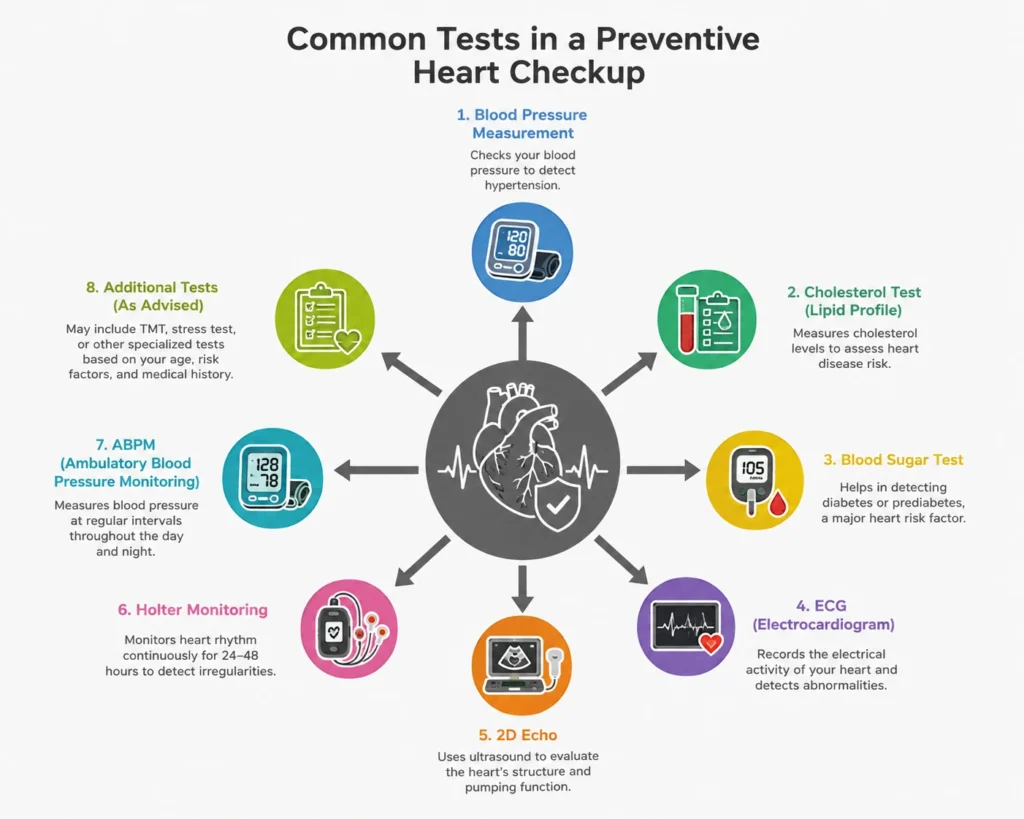
There is no single test that can detect every heart problem. Doctors select investigations according to the patient’s symptoms and risk profile.
1. Blood Pressure Measurement
High blood pressure is one of the major risk factors for cardiovascular disease. Because hypertension often has no noticeable symptoms, regular measurement is important.
2. Cholesterol Testing
A lipid profile measures cholesterol and other blood fats. Abnormal cholesterol levels can contribute to plaque formation in the arteries and increase cardiovascular risk.
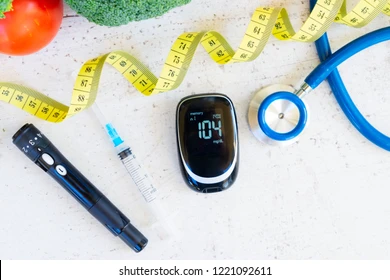
3. Blood Sugar Testing
Diabetes and uncontrolled blood sugar can increase the risk of heart and blood vessel disease. Blood glucose or HbA1c testing may be recommended depending on your health history.
4. ECG
An electrocardiogram records the electrical activity of the heart. It can help doctors evaluate heart rhythm and identify certain electrical abnormalities.
5. 2D Echo
A 2D echocardiogram uses ultrasound to examine the heart’s structure and function. It may be recommended when a doctor needs more information about heart chambers, valves, or pumping function.
6. Holter Monitoring
A Holter monitor records heart rhythm continuously for an extended period. It can be useful when symptoms such as palpitations or dizziness occur intermittently.
7. Other Cardiac Investigations
Depending on the patient’s condition, a cardiologist may recommend additional investigations such as a stress test, ambulatory blood pressure monitoring, or coronary imaging.
Not everyone needs all of these tests. A qualified doctor should decide which investigations are appropriate.
How Often Should You Have a Heart Checkup?
There is no universal schedule that applies to every adult. Healthy people with no significant risk factors may require routine health assessments, while people with diabetes, hypertension, high cholesterol, or an existing heart condition may need more frequent monitoring.
Your age, family history, lifestyle, medications, and previous test results all influence the recommended frequency.
Rather than choosing tests based on age alone, speak with your doctor about a screening plan that matches your personal risk.
Preventive Heart Checkup at Rhythm Heart & Critical Care
For people looking for a preventive heart checkup in Nagpur, Rhythm Heart & Critical Care provides cardiac evaluation and related diagnostic services.
The hospital’s cardiac care services include investigations such as ECG, 2D/3D Echo, Holter Monitoring, and Ambulatory Blood Pressure Monitoring, along with specialist cardiology care.
These facilities can help doctors evaluate different aspects of cardiovascular health when clinically appropriate.
Rhythm Heart & Critical Care also provides comprehensive cardiac services for patients who require further evaluation or treatment.
Depending on the patient’s condition, care may extend from preventive assessment to diagnosis, intervention, and follow-up.
A preventive visit can be particularly useful for people who want to understand their cardiovascular risk and discuss appropriate screening with an experienced cardiac care team.
Why Choose a Preventive Approach to Heart Health?
Waiting for symptoms before taking care of your heart is not always the best strategy. Several important cardiovascular risk factors can remain silent for years.
Preventive care encourages people to understand their risk, monitor important health parameters, and make timely changes. It also gives doctors an opportunity to identify people who may need closer observation.
Think of a heart checkup as part of regular health maintenance rather than something you need only when you feel unwell.
Conclusion
A preventive heart checkup in Nagpur can be an important step toward understanding and managing your cardiovascular risk.
Regular assessment can help identify conditions such as high blood pressure, abnormal cholesterol, diabetes, and other risk factors before they contribute to serious complications.
However, the right screening plan is different for every person. Your age, medical history, lifestyle, family history, and existing health conditions should guide the tests you receive.
If you have concerns about your heart health, consult a qualified cardiologist and discuss which preventive checks are appropriate for you.
Taking action early can help you make informed decisions and build healthier habits for the years ahead.
FAQs
1. What is a preventive heart checkup?
It is a health assessment that helps identify cardiovascular risk factors and evaluate heart health before serious symptoms develop.
2. Who should get a preventive heart checkup?
People with risk factors such as diabetes, high blood pressure, high cholesterol, obesity, smoking, or a family history of heart disease should discuss screening with their doctor.
3. What tests are included in a heart checkup?
Tests may include blood pressure measurement, cholesterol and blood sugar tests, ECG, 2D Echo, or other investigations based on individual needs.
4. Is a heart checkup necessary if I have no symptoms?
It can be useful because some cardiovascular risk factors may not cause noticeable symptoms.
5. How often should I have a heart checkup?
The frequency depends on your age, health history, risk factors, and your doctor’s recommendations.
6. Is ECG enough to check heart health?
No. An ECG evaluates the heart’s electrical activity, while other tests assess different aspects of cardiovascular health.
7. Should people over 40 get regular heart checkups?
People over 40 should discuss cardiovascular risk assessment with their doctor, especially if they have additional risk factors.
8. Can diabetes increase the risk of heart disease?
Yes. Diabetes is an important cardiovascular risk factor, making proper blood sugar management and regular medical follow-up important.
9. Does Rhythm Heart & Critical Care offer heart checkup services in Nagpur?
Rhythm Heart & Critical Care provides cardiac evaluation and diagnostic services, including ECG, 2D/3D Echo, Holter Monitoring, and Ambulatory Blood Pressure Monitoring.
10. Can a preventive checkup prevent a heart attack?
A checkup cannot guarantee prevention, but identifying and managing cardiovascular risk factors can help reduce the risk of serious heart problems.