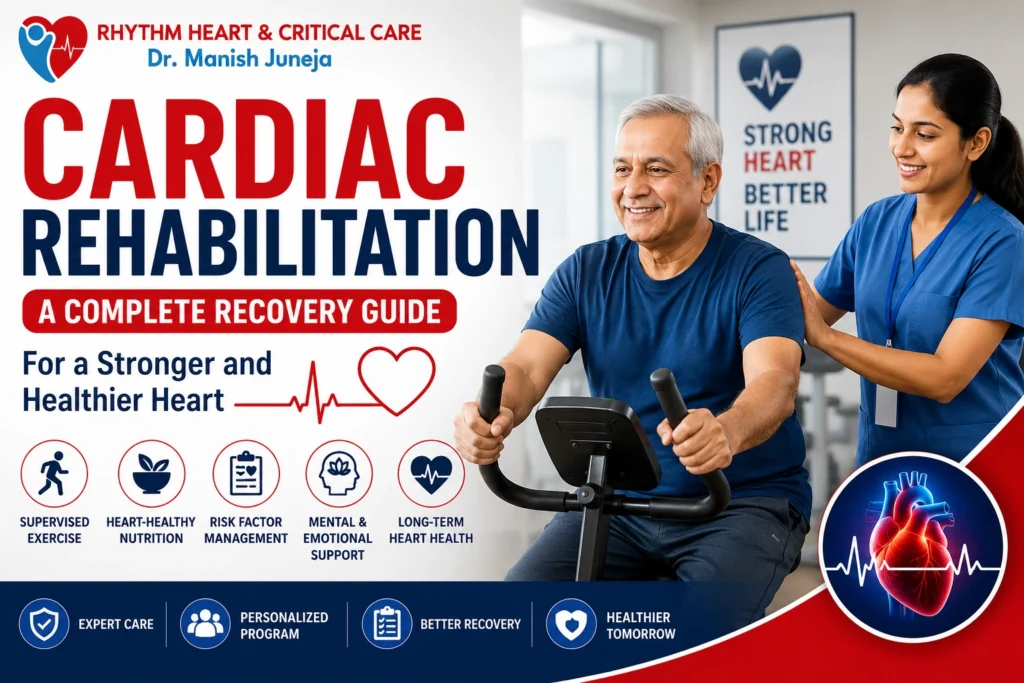
Recovering from a heart condition is about much more than leaving the hospital. Whether you’ve experienced a heart attack, undergone angioplasty, bypass surgery, or are living with heart failure, the recovery process continues long after your initial treatment.
One of the most effective ways to regain your strength and reduce the risk of future heart problems is through cardiac rehabilitation.
Cardiac rehabilitation is a medically supervised program that combines exercise, education, lifestyle guidance, and emotional support.
It helps patients recover safely, improve heart function, and return to their daily activities with greater confidence. More importantly, it empowers individuals to make healthier choices that support long-term heart health.
What Is Cardiac Rehabilitation?
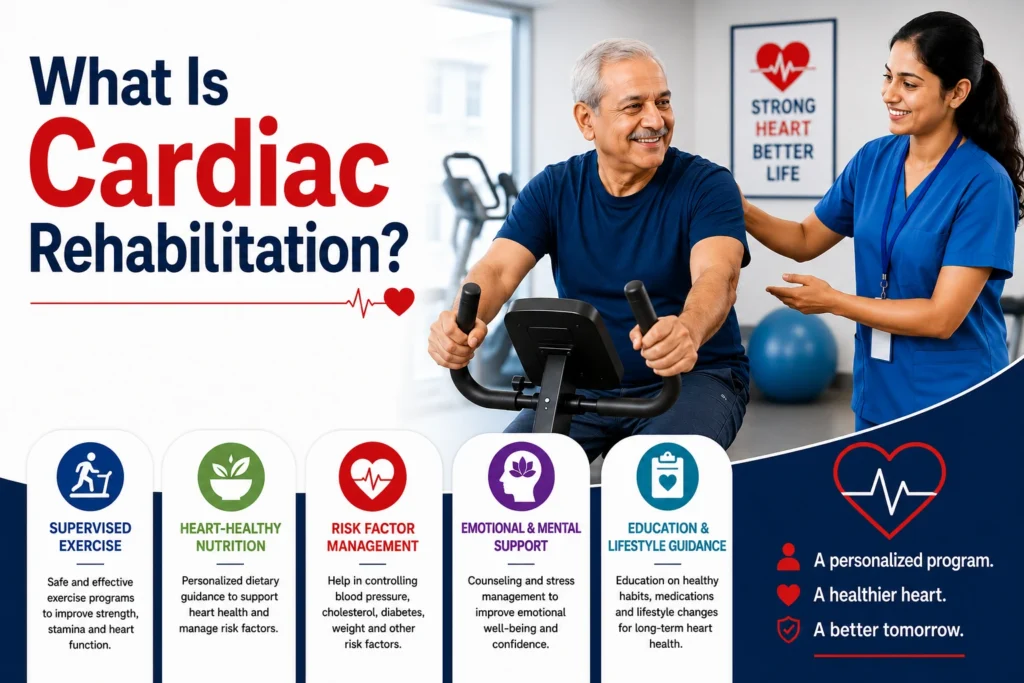
Cardiac rehabilitation, often called cardiac rehab, is a structured recovery program designed for people who have experienced heart-related illnesses or procedures.
It focuses on improving physical fitness, managing heart disease risk factors, and helping patients build healthier habits.
Unlike a regular fitness program, cardiac rehabilitation is supervised by a team of healthcare professionals, including cardiologists, physiotherapists, rehabilitation specialists, dietitians, nurses, and counselors.
The aim is not only to restore physical health but also to improve emotional well-being and reduce the chances of future cardiac events.
Who Should Consider Cardiac Rehabilitation?
Cardiac rehabilitation is recommended for individuals recovering from various heart conditions or treatments. Your cardiologist may advise joining a rehabilitation program if you have experienced:
- Heart attack (Myocardial Infarction)
- Coronary angioplasty or stent placement
- Coronary artery bypass graft (CABG) surgery
- Heart valve surgery
- Heart failure
- Stable angina
- Peripheral artery disease
- Heart transplantation
- Certain congenital heart conditions
Even patients with multiple cardiovascular risk factors may benefit from a preventive rehabilitation program under medical supervision.
Why Is Cardiac Rehabilitation Important?
Many patients assume that treatment ends once they return home after a heart procedure. In reality, the recovery phase is equally important.
Without proper rehabilitation, patients may struggle with reduced stamina, anxiety, poor physical activity, or recurring heart problems.
A comprehensive cardiac rehabilitation program helps patients recover safely while reducing the risk of future complications.
The benefits include:
- Improves heart function and circulation
- Increases physical strength and endurance
- Reduces the risk of another heart attack
- Helps control blood pressure and cholesterol
- Supports healthy weight management
- Improves diabetes management
- Reduces stress, anxiety, and depression
- Encourages healthier lifestyle habits
- Builds confidence to return to work and daily activities
- Improves overall quality of life
Research has consistently shown that people who complete a cardiac rehabilitation program often experience better long-term outcomes than those who do not participate.
Key Components of Cardiac Rehabilitation
Cardiac rehabilitation is much more than an exercise program. It is a comprehensive, medically supervised approach that addresses every aspect of heart health, including physical recovery, emotional well-being, lifestyle improvements, and long-term disease prevention.
Cardiac rehabilitation is much more than exercise. It combines several essential elements that work together to improve overall cardiovascular health.
1. Medical Assessment
Every rehabilitation journey begins with a detailed medical evaluation. Doctors assess your heart condition, current medications, fitness level, blood pressure, cholesterol, and overall health before designing a personalized treatment plan.
This assessment ensures that every activity is safe and appropriate for your recovery stage.
2. Supervised Exercise Training
Exercise is one of the most important parts of cardiac rehabilitation. However, it is carefully monitored to ensure safety.
Your rehabilitation specialist may recommend activities such as:
- Walking
- Stationary cycling
- Treadmill exercise
- Light strength training
- Stretching exercises
- Flexibility training
As your heart becomes stronger, the intensity of your exercise program is gradually increased under professional supervision.
3. Heart-Healthy Nutrition
Healthy eating is a key part of cardiac rehabilitation because the foods you choose directly affect your heart health.
A well-balanced diet helps lower cholesterol, control blood pressure, maintain a healthy weight, and reduce the risk of future heart problems.
During rehabilitation, patients receive practical dietary guidance that focuses on:
- Eating more fruits and vegetables
- Choosing whole grains
- Reducing salt intake
- Limiting saturated and trans fats
- Selecting lean protein sources
- Controlling portion sizes
- Staying properly hydrated
Small dietary improvements made consistently can significantly improve cardiovascular health over time.
4. Risk Factor Management
Managing the underlying causes of heart disease is essential for preventing future complications.
Many heart conditions are linked to lifestyle habits and chronic health issues that can be controlled with proper medical guidance.
Your healthcare team will help you control:
- High blood pressure
- High cholesterol
- Diabetes
- Obesity
- Smoking
- Physical inactivity
- Chronic stress
Regular monitoring helps ensure these risk factors remain under control throughout recovery.
5. Emotional and Mental Health Support
A heart event often affects emotional health as much as physical health. Many patients experience anxiety, fear, frustration, or depression after hospitalization.
Cardiac rehabilitation provides counseling, stress management techniques, relaxation exercises, and emotional support that help patients regain confidence and maintain a positive outlook during recovery.
What Happens During a Cardiac Rehabilitation Program?
A cardiac rehabilitation program is carefully planned to help patients recover safely after a heart-related condition or procedure.
Every program begins with a detailed health assessment and is customized according to the patient’s medical history, physical fitness, and recovery goals.
Although every patient’s plan is different, a typical rehabilitation program may include:
- Comprehensive health evaluation
- Exercise sessions supervised by specialists
- Regular monitoring of heart rate and blood pressure
- Nutritional counseling
- Lifestyle education
- Medication review
- Smoking cessation support
- Stress management sessions
- Progress tracking and follow-up appointments
The program is adjusted as patients improve, ensuring safe and steady progress.
How Long Does Cardiac Rehabilitation Last?
The duration depends on the patient’s condition, overall health, and treatment received.Many rehabilitation programs continue for 6 to 12 weeks, with supervised sessions several times each week. Some patients may require longer rehabilitation depending on their recovery progress and medical needs.
Even after completing the formal program, patients are encouraged to continue exercising, eating well, and following healthy lifestyle habits.
Tips for a Successful Recovery
Recovering from heart disease requires consistency and patience. Following your rehabilitation plan can make a significant difference in your long-term health.
Helpful recovery tips include:
- Attend every rehabilitation session.
- Take medications exactly as prescribed.
- Follow your doctor’s exercise recommendations.
- Maintain a heart-friendly diet.
- Avoid smoking and tobacco.
- Limit alcohol intake.
- Sleep for 7–8 hours every night.
- Manage stress through yoga, meditation, or deep breathing.
- Monitor your blood pressure and blood sugar regularly.
- Keep all follow-up appointments.
Remember that recovery is a gradual process. Every positive step contributes to better heart health.
Can Cardiac Rehabilitation Prevent Future Heart Problems?
While no program can completely eliminate the risk of heart disease, cardiac rehabilitation significantly reduces the chances of future cardiac events.
By improving physical fitness, controlling risk factors, and encouraging healthier lifestyle choices, rehabilitation helps patients protect their hearts for years to come.
Patients who actively participate in rehabilitation often experience fewer hospital readmissions, improved physical function, and greater confidence in managing their condition.
Why Choose Rhythm Heart & Critical Care for Cardiac Rehabilitation?
At Rhythm Heart & Critical Care, cardiac rehabilitation is designed to support patients through every stage of recovery.
The hospital offers personalized rehabilitation plans guided by experienced cardiologists and a multidisciplinary healthcare team.
With advanced diagnostic facilities, modern cardiac care, and patient-centered support, every rehabilitation program focuses on restoring strength, improving heart health, and helping patients return to an active lifestyle safely.
Whether recovering from a heart attack, angioplasty, bypass surgery, or another cardiac condition, patients receive comprehensive care tailored to their individual recovery goals.
Conclusion
Recovery after a heart condition doesn’t end when you leave the hospital. Cardiac rehabilitation is an essential part of the healing process, helping patients rebuild their strength, reduce future health risks, and improve their overall quality of life.
With expert medical supervision, structured exercise, healthy lifestyle guidance, and emotional support, cardiac rehabilitation gives patients the tools they need for a healthier future.
If you or a loved one is recovering from a heart condition, speak with your cardiologist about starting a cardiac rehabilitation program and take the next step toward long-term heart wellness.
FAQs
1. What is cardiac rehabilitation?
Cardiac rehabilitation is a medically supervised program that combines exercise, education, nutrition, and counseling to help patients recover after a heart attack, heart surgery, angioplasty, or other heart conditions.
2. Who should join a cardiac rehabilitation program?
People recovering from heart attacks, angioplasty, bypass surgery, heart failure, valve surgery, or other cardiovascular conditions are often recommended to participate.
3. How long does cardiac rehabilitation take?
Most programs last between 6 and 12 weeks, although the duration may vary depending on individual recovery needs.
4. Is cardiac rehabilitation safe?
Yes. Cardiac rehabilitation is conducted under the supervision of trained healthcare professionals who monitor your condition throughout the program.
5. Can cardiac rehabilitation reduce the risk of another heart attack?
Yes. Regular participation helps improve heart function, manage risk factors, and significantly lowers the likelihood of future cardiac events.
6. What exercises are included in cardiac rehabilitation?
Programs typically include walking, cycling, treadmill workouts, stretching, flexibility exercises, and light strength training based on your medical condition.
7. Does cardiac rehabilitation include dietary advice?
Yes. Patients receive personalized nutrition guidance to support heart health, manage cholesterol, control blood pressure, and maintain a healthy weight.
8. Why choose Rhythm Heart & Critical Care for cardiac rehabilitation?
Rhythm Heart & Critical Care offers personalized rehabilitation programs, experienced cardiologists, advanced cardiac facilities, and comprehensive support to help patients recover safely and improve their long-term heart health.
9. Why should I choose Rhythm Heart & Critical Care for cardiac rehabilitation?
Rhythm Heart & Critical Care offers personalized cardiac rehabilitation programs led by experienced cardiologists and supported by advanced diagnostic facilities, structured exercise plans, nutritional counseling, and comprehensive follow-up care to help patients recover safely.
10. How can I book a cardiac rehabilitation consultation at Rhythm Heart & Critical Care?
You can book a consultation by contacting Rhythm Heart & Critical Care through their official website, calling the hospital directly, or visiting the hospital to schedule an appointment with a cardiologist or cardiac rehabilitation specialist.