A healthy heart is essential for overall well-being. If you are searching for how to make your heart strong or heart ko majboot kaise banaye, simple lifestyle changes can help support your cardiovascular health and reduce the risk of heart disease.
Eating a balanced diet, exercising regularly, maintaining a healthy weight, getting enough sleep, avoiding tobacco, and managing blood pressure and cholesterol are important steps toward a stronger heart. In this guide, we explain practical ways to keep your heart healthy and build habits that support long-term heart health.
हार्ट को मजबूत कैसे करें?
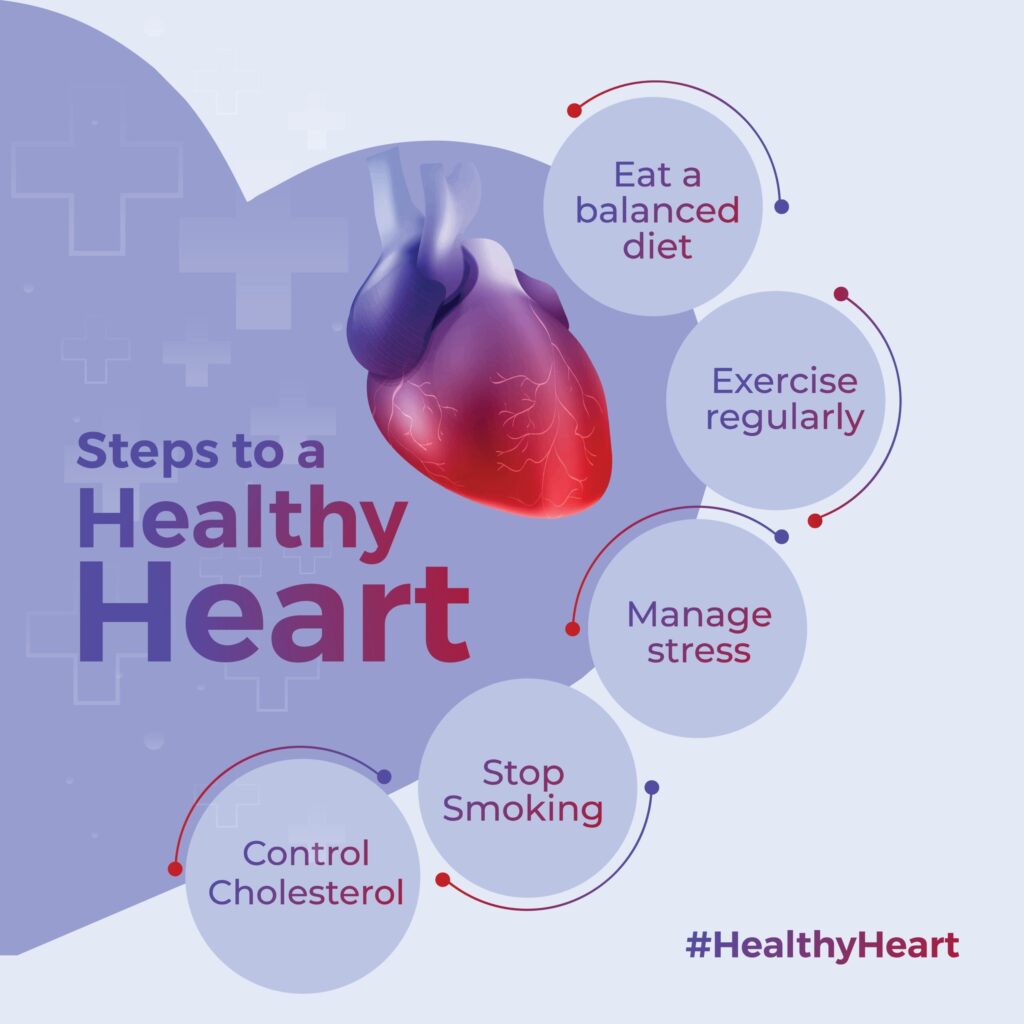
हार्ट को मजबूत और स्वस्थ रखने के लिए रोजाना संतुलित आहार लें, नियमित व्यायाम करें, पर्याप्त नींद लें और धूम्रपान से बचें। ब्लड प्रेशर, कोलेस्ट्रॉल और ब्लड शुगर को नियंत्रित रखना भी जरूरी है।
अगर आपको सीने में दर्द, सांस लेने में परेशानी या असामान्य थकान होती है, तो डॉक्टर से सलाह लें। दिल को मजबूत कैसे बनाएं, इसका सबसे अच्छा तरीका है स्वस्थ आदतों को नियमित रूप से अपनाना और समय-समय पर स्वास्थ्य जांच करवाना।
Why is a healthy and strong heart necessary?
The heart is the body’s powerhouse, continuously pumping blood to give oxygen and nourishment to all organs. A healthy heart has a direct impact on your quality of life and also helps to prevent illness.
If you neglect to care about your healthy heart, then you have to face severe problems like heart disease, stroke, and other life-threatening illnesses.
A strong heart promotes physical activity, increases mental clarity, and strengthens immunity. So we all want to care for our hearts, not only for older people but also for younger people. We should prioritize cardiovascular health to develop protest from future threats.
Reasons for Poor Heart Health
Several factors can affect heart health and increase the risk of cardiovascular diseases. Unhealthy lifestyle habits, existing medical conditions, and chronic stress can all contribute to poor heart health.
1. High Blood Pressure and High Cholesterol
High blood pressure can damage artery walls over time, while high LDL cholesterol can contribute to plaque buildup in the arteries. Both can increase the risk of heart disease and heart attack.
2. Smoking and Unhealthy Lifestyle Habits
Smoking damages blood vessels and increases the risk of cardiovascular disease. Physical inactivity, an unhealthy diet, and excessive alcohol consumption can also negatively affect heart health.
3. Diabetes and Excess Body Weight
Diabetes can damage blood vessels and increase the risk of heart disease. Excess body weight may also contribute to high blood pressure, abnormal cholesterol levels, and other cardiovascular risk factors.
4. Physical Inactivity and Reduced Exercise Capacity
A lack of regular physical activity can contribute to poor cardiovascular fitness and increase the risk of heart disease. If you experience unusual fatigue, breathlessness, or difficulty performing everyday activities, consult a healthcare professional to identify the cause.
5. Chronic Stress and Mental Health
Long-term stress can affect sleep, blood pressure, and daily habits, which may influence heart health. People living with heart disease may also experience anxiety or depression, making emotional well-being an important part of overall care.
Tips for How to make your heart stronger:
Now, we’ll discuss how to make your heart stronger through lifestyle changes, diet, exercise, and mindfulness for better living.

1. Maintain a Heart-Healthy Diet.
A healthy and proper diet is essential for good heart health. Prioritize foods that promote cardiovascular health, such as fruits, vegetables, whole grains, lean meats, and healthy fats.
– Eat fiber-rich foods like oats, beans, apples, and leafy greens. Fibre lowers bad cholesterol (LDL), reducing heart disease risk.
– Limit harmful fats, such as trans and saturated fats, which can raise cholesterol levels.
2. Exercise regularly
Staying physically active is one of the most effective methods to improve your heart. The heart is a muscle, and regular exercise helps as much as any other.
– Aim to engage in at least 150 minutes of moderate aerobic activity (such as brisk walking) or 75 minutes of strenuous activity (such as running) every week.
– Increase strength training twice weekly to improve cardiovascular health and general fitness.
– Simple exercises like walking, cycling, and dancing may greatly influence your heart’s health and endurance.
3. Continue to maintain a healthy weight
Excess weight can place a burden on your heart and raise your chances of developing high blood pressure, high cholesterol, and diabetes, all of which are heart disease risk factors.
– Choose nutrient-dense foods that will keep you satisfied without adding unneeded calories.
– Stay hydrated and eat modest, balanced meals to avoid overeating and keep your energy levels stable throughout the day.
4. Stop smoking and avoid second hand smoke.
Smoking is a primary cause of cardiovascular disease. It harms the lining of your arteries, raises blood pressure, and decreases oxygen supply to the heart.
– Seek assistance from a healthcare physician, support groups, or smoking cessation programs to quit.
– Avoid secondhand smoke, as it might affect your heart over time.
– Limiting tobacco use improves circulation and reduces the incidence of blood clots and heart attacks.
5. Always Keep Your Blood Pressure in Check
High blood pressure is regarded as the “silent killer” because it frequently causes no symptoms while dramatically increasing the risk of heart disease and strokes.
– Check your blood pressure daily, even if you feel OK.
– Limit salt consumption by eating less processed meals and carefully reading labels.
– Reduce stress and engage in relaxation exercises to maintain a healthy blood pressure level.
6. Reducing Stress Properly.
The risk of increased heart attack and raised blood pressure is chronic stress. Good stress management is critical for heart health.
– Practice mindfulness and meditation to relax the mind and lessen tension.
– Use breathing techniques like deep breathing to calm your body and reduce your heart rate.
– Engage in hobbies or activities you like, such as yoga or tai chi, for further relaxation and heart health advantages.
7. Take Quality Sleep.
Poor sleep quality or inadequate sleep can raise your risk of heart disease, obesity, and high blood pressure.
– Aim for 7-8 hours of excellent sleep every night to help your body heal and replenish.
– Avoid coffee and electronic gadgets before bedtime to optimize sleep quality.
8. Limit the use of alcohol.
While moderate alcohol use may offer some cardiovascular advantages, excessive drinking might injure your heart and raise your blood pressure.
– Women should avoid their intake of one drink daily, while males can have up to two.
– Choose heart-healthy alternatives, such as red wine, which includes antioxidants that may aid your heart (when consumed in moderation).
– Drink water in between alcoholic beverages to keep hydrated and limit your overall alcohol consumption.
9. Stay social and build strong relationships.
A robust support system can improve your heart health. According to studies, those with close connections and a strong social support network have healthier hearts.
– Always stay in touch with family, friends, and community groups.
– Take part in activities promoting physical health, such as walking groups or fitness classes.
– Communicate freely with loved ones if you’re stressed or need help since this can decrease the harmful impact of stress on your heart.
Conclusion
These heart-healthy activities can significantly improve your overall health and quality of life. Remember, even minor modifications can have a significant influence over time. Begin with one or two recommendations, then gradually include more into your routine. Your heart will thank you.
If you have any pre-existing health concerns or a family history of heart disease, consult with a healthcare practitioner to develop a specific strategy to safeguard your heart. Take care of your health today by adopting a lifestyle that promotes a strong, healthy heart for years.
Conclusion: Take the First Step Toward a Stronger, Healthier Heart
Knowing how to make your heart stronger starts with simple, consistent lifestyle changes. Eating a balanced diet, exercising regularly, maintaining a healthy weight, managing stress, and getting enough sleep can support heart health and help reduce the risk of cardiovascular disease. Monitoring your blood pressure, cholesterol, and blood sugar levels is also important, especially if you have existing health conditions or a family history of heart disease.
If you have concerns about your heart health, consult a cardiologist for personalized medical advice. At Rhythm Hospital you can access specialized care and diagnostic services, including Cardiology Consultation, 2D Echo, TMT (Treadmill Test), Angioplasty, Heart Failure Treatment, and Diabetes and Heart Care.
Take the first step toward better heart health today!
Book an appointment with Rhythm Hospitals for a cardiac evaluation and guidance tailored to your health needs.
FAQ’s
1. How to Make Your Heart Strong Naturally?
You can support your heart health naturally by eating a balanced diet, exercising regularly, maintaining a healthy weight, getting enough sleep, managing stress, and avoiding smoking. Regular health checkups can also help monitor blood pressure, cholesterol, and blood sugar levels.
2. How to Make Your Heart Stronger with Exercise?
Regular physical activity, such as brisk walking, cycling, swimming, or dancing, can improve cardiovascular fitness. Adults should generally aim for at least 150 minutes of moderate-intensity aerobic activity per week, depending on their health and fitness level.
3. Heart Ko Majboot Kaise Kare?
Heart ko majboot karne ke liye rozana healthy diet lein, regular exercise karein, 7–9 hours ki neend lein aur smoking se bachein. Blood pressure, cholesterol aur blood sugar ko control mein rakhna bhi heart health ke liye important hai.
4. दिल को मजबूत कैसे बनाएं?
दिल को स्वस्थ और मजबूत रखने के लिए संतुलित आहार लें, नियमित व्यायाम करें, पर्याप्त नींद लें और तनाव को नियंत्रित रखें। धूम्रपान से बचें और समय-समय पर ब्लड प्रेशर, कोलेस्ट्रॉल और ब्लड शुगर की जांच करवाएं।
5. What Foods Help Keep Your Heart Healthy?
Heart-healthy foods include fruits, vegetables, whole grains, beans, nuts, seeds, and sources of healthy fats such as olive oil. Choose foods rich in fibre and limit excess salt, added sugar, and saturated and trans fats to support cardiovascular health.
6. How Can I Improve My Heart Health Daily?
You can improve your heart health by staying physically active, eating balanced meals, sleeping well, avoiding tobacco, and managing stress. Taking prescribed medicines as directed and monitoring blood pressure and cholesterol can also help reduce cardiovascular risks.
7. Can Walking Help Make Your Heart Stronger?
Yes, regular brisk walking can improve cardiovascular fitness, support healthy blood pressure, and help manage body weight. Start at a comfortable pace and gradually increase your activity. Consult a healthcare professional before starting a new exercise routine if you have a heart condition or concerning symptoms.
8. What Are the Signs of an Unhealthy Heart?
Possible warning signs include chest discomfort, unusual shortness of breath, palpitations, dizziness, and unexplained fatigue. These symptoms can have different causes. Sudden chest pain, severe breathing difficulty, or fainting requires urgent medical attention.
9. How Can I Keep My Heart Healthy as I Age?
To maintain heart health as you age, stay active, eat a balanced diet, avoid smoking, get adequate sleep, and manage conditions such as high blood pressure, diabetes, and high cholesterol. Regular medical checkups can help identify risk factors early.
10. Which Lifestyle Habits Help Reduce the Risk of Heart Disease?
Healthy habits include regular exercise, a balanced diet, maintaining a healthy weight, getting enough sleep, avoiding tobacco, limiting alcohol, and managing stress. Regular health screenings and following your doctor’s advice can further help reduce the risk of heart disease.