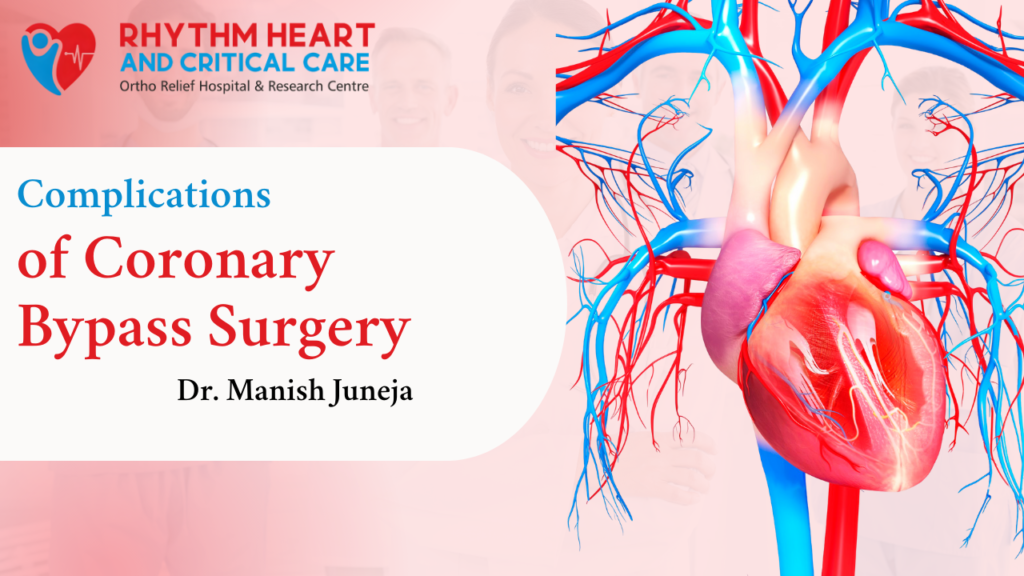
Coronary bypass surgery is a procedure that can save lives for people with serious heart artery disease.
It helps the heart get enough blood by going around the blocked arteries. Even though this surgery is often successful, it is a big operation and can have some risks or problems like other major heart procedures.
At Rhythm Heart & Critical Care Hospital, Nagpur, our expert cardiac team focuses on advanced surgical techniques, patient safety, and post-operative care to minimize these risks.
Understanding the possible complications of coronary bypass surgery helps patients and families stay informed, prepared, and confident throughout the treatment journey.
Understanding the Risks of Coronary Bypass Surgery
Although coronary bypass surgery is performed routinely at leading heart hospitals, complications can sometimes occur depending on age, overall health, and existing medical conditions.
Factors such as diabetes, high blood pressure, obesity, smoking, or weak heart function may increase risk.
At Rhythm Heart & Critical Care Hospital, each patient has a complete check-up before surgery and is closely watched during the process. Finding problems early, having experienced surgeons, and proper care after the operation help lower the chance of issues and make recovery better after heart bypass surgery.
Common Complications of Coronary Bypass Surgery
1. Infection at the Surgical Site
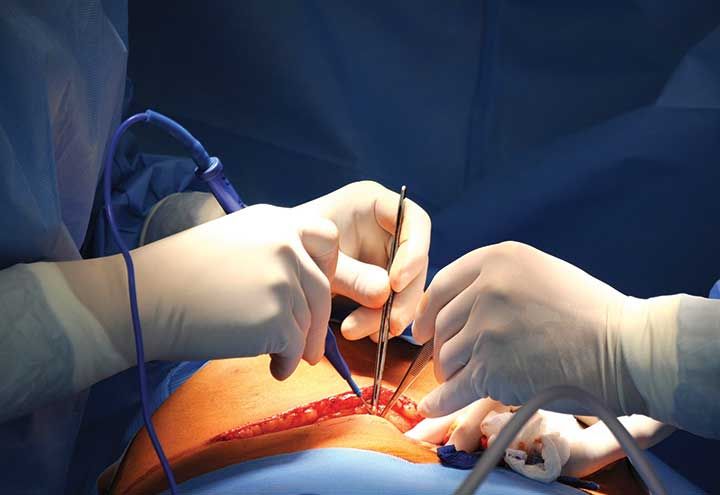
If the wounds from the chest incision or where the graft was taken aren’t properly cared for after coronary bypass surgery, an infection could develop there.
- Redness, swelling, or warmth near incision
- Fever or delayed wound healing
- Higher risk in diabetics or smokers
- Prevented with hygiene and antibiotics
2. Bleeding or Blood Clots
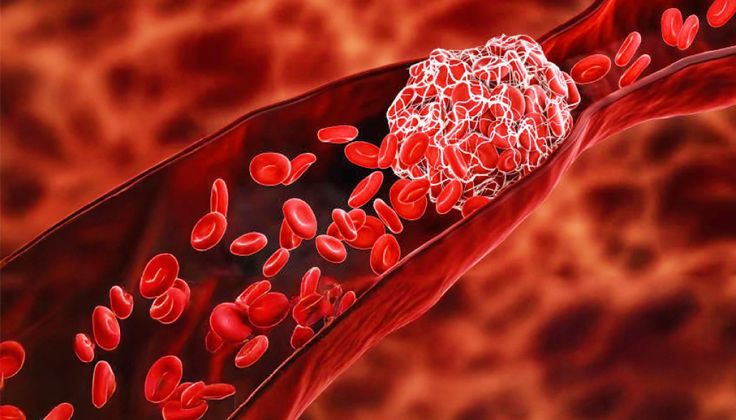
Some patients may experience bleeding or clot formation after coronary bypass surgery, requiring close monitoring during the recovery period.
- Excessive drainage from incision
- Drop in blood pressure or hemoglobin
- Risk of deep vein thrombosis
- Managed through ICU monitoring
3. Irregular Heart Rhythm (Arrhythmia)

Sometimes, after having coronary bypass surgery, the heart may have unusual beats, like atrial fibrillation, which is a type of irregular heartbeat. These usually go away with proper treatment.
- Palpitations or fast heartbeat
- Occurs within first few days
- Controlled with medications
- Rarely causes long-term issues
4. Memory Loss or Cognitive Changes

Some people might have trouble remembering things or focus after having anesthesia or if there’s less blood flow during coronary bypass surgery.
- Common in older patients
- Temporary and reversible
- Improves within weeks
- Mental exercises aid recovery
5. Lung or Breathing Problems

Breathing difficulties can occur after coronary bypass surgery, especially in smokers or elderly patients with weak lung function.
- Shallow breathing post-surgery
- Risk of lung infection
- Managed with breathing exercises
- Early movement helps recovery
6. Kidney Function Issues

Temporary kidney problems may develop after coronary bypass surgery, particularly in patients with diabetes or pre – existing kidney disease.
- Reduced urine output
- Fluid imbalance risk
- Requires close monitoring
- Usually improves gradually
7. Graft Failure
Sometimes, the bypass grafts used in coronary bypass surgery can become narrow or completely blocked over time, which can impact how well the surgery works in the long run.
- Linked to lifestyle habits
- High cholesterol increases risk
- Prevented with medications
- Regular follow-ups are essential
Prevention and Recovery After Coronary Bypass Surgery
Most problems that happen after coronary bypass surgery can be avoided or handled with good medical care and healthy lifestyle choices.
Going to check-ups, eating right for the heart, staying active, taking medicines as prescribed, and stopping smoking are all important for getting better.
At Rhythm Heart & Critical Care Hospital, our doctors, surgeons, and rehab specialists help patients every step of the way to make sure they heal properly and keep their heart healthy for a long time.
Conclusion
If you or a loved one is advised coronary bypass surgery, choosing the right heart hospital makes all the difference.
At Rhythm Heart & Critical Care Hospital, Nagpur, we combine advanced cardiac technology, experienced cardiologists, and compassionate care to deliver the best outcomes.
Book a consultation today to understand your heart condition, surgical options, and recovery plan for a healthier future.
FAQ’s
1. What are the common complications of coronary bypass surgery?
Common complications include infection, bleeding, irregular heartbeat, breathing problems, temporary memory issues, kidney function changes, and graft blockage. Most are manageable with timely medical care and monitoring.
2. Is infection common after coronary bypass surgery?
Infections can occur at the surgical site, but with proper wound care, antibiotics, and hygiene, the risk is significantly reduced under expert supervision.
3. Can bleeding occur after bypass surgery?
Yes, some patients may experience bleeding post-surgery. Continuous ICU monitoring helps detect and control it early to ensure patient safety.
4. Why do heart rhythm problems happen after surgery?
Irregular heart rhythms, like atrial fibrillation, are common after coronary bypass surgery due to stress on the heart. These are usually temporary and treatable with medications.
5. Does coronary bypass surgery affect memory?
Some patients experience short term memory loss or confusion due to anesthesia or reduced blood flow, but most recover fully within a few weeks.
6. Are breathing problems a concern after bypass surgery?
Breathing issues may occur, especially in smokers or elderly patients. Chest physiotherapy, breathing exercises, and early movement help prevent complications.
7. Can kidney problems develop after bypass surgery?
Temporary kidney function changes may occur, especially in patients with diabetes or prior kidney disease. Careful fluid and medication management lowers the risk.
8. What is graft failure in coronary bypass surgery?
Graft failure happens when the bypass vessel narrows or blocks over time. Regular follow ups, medications, and lifestyle changes help maintain graft health.
9. How long does recovery take after coronary bypass surgery?
Initial recovery takes 6 – 8 weeks, while complete recovery may take a few months, depending on age, health condition, and post-surgery care.
10. How can complications after bypass surgery be prevented?
Following doctor’s advice, taking prescribed medicines, maintaining a heart healthy lifestyle, quitting smoking, and attending regular check ups greatly reduce complication risks.
Reference:
https://www.mayoclinic.org/tests-procedures/coronary-bypass-surgery/about/pac-20384589
http://www.nhs.uk/tests-and-treatments/coronary-artery-bypass-graft/complications/