Chest pain is one of the most alarming symptoms a person can experience, but not every chest pain means a heart attack. Understanding the difference between Angina vs Heart Attack can be life saving.
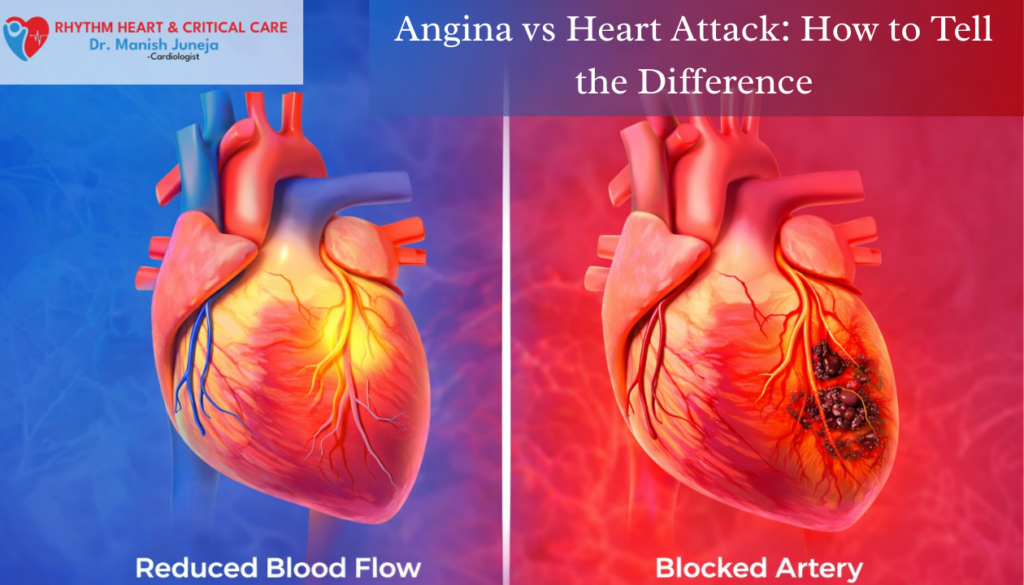
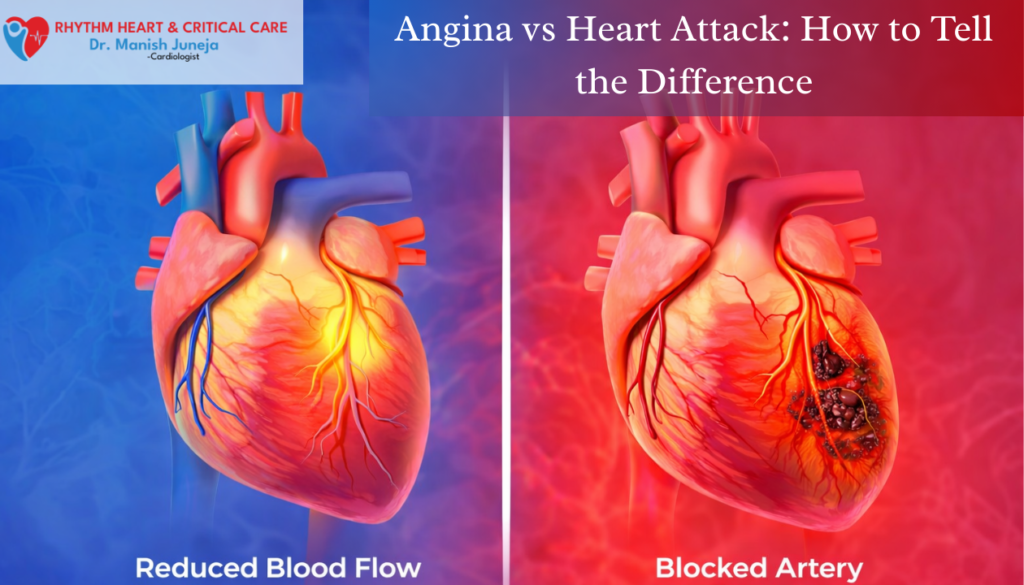
Angina is often a warning sign of reduced blood flow to the heart, while a heart attack occurs when blood supply is suddenly blocked, causing permanent heart muscle damage.
At Rhythm Heart & Critical Care Hospital, a trusted heart hospital in Nagpur, many patients arrive confused about their symptoms.
Getting aware early helps people get help quickly, prevent serious problems, and lower the risk of deadly outcomes. Understanding when chest pain is not serious and when it needs immediate attention gives patients the power to respond quickly and keep their heart healthy.
Why Early Action Matters
To understand the difference between angina and a heart attack, it’s important to know that angina is usually short-lived and can go away with rest or medicine. A heart attack, on the other hand, happens suddenly and is much more serious.
The pain from a heart attack doesn’t go away and gets worse. Not knowing the difference can stop people from getting help quickly, which can lead to serious heart damage. Doctors in Nagpur say it’s crucial to notice the early signs and get medical help right away to save lives.
At Rhythm Heart & Critical Care Hospital, they use modern testing to quickly tell the two apart, so patients get the right treatment and better results.
Angina vs Heart Attack – Key Differences You Should Know
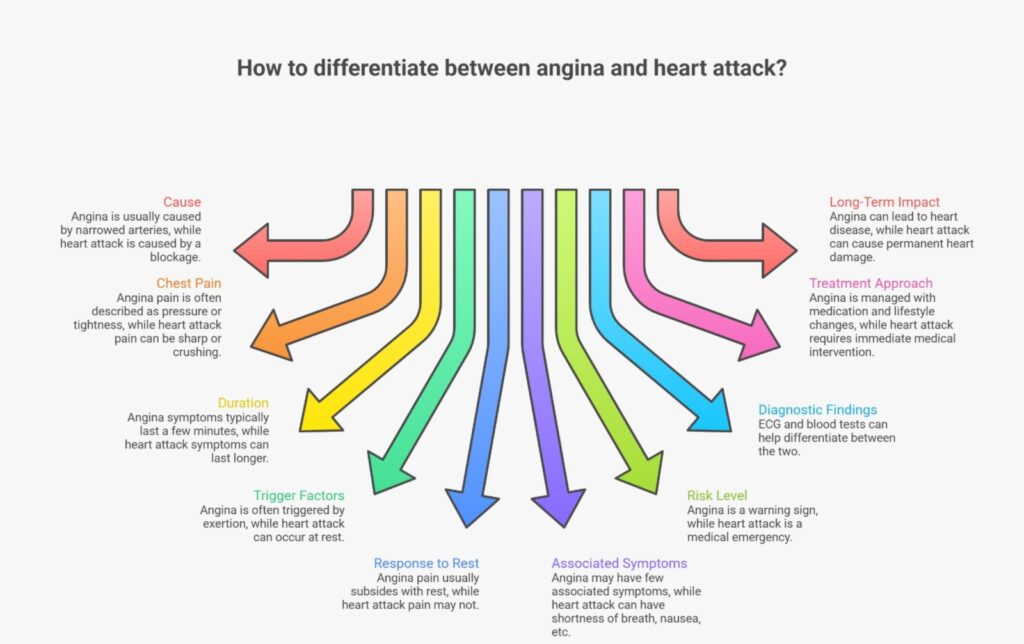
1. Cause of the Condition
Angina occurs when the coronary arteries become narrowed due to plaque buildup, reducing blood flow to the heart muscle. This shortage of oxygen causes temporary chest discomfort but does not permanently damage the heart.
A heart attack happens when one of the coronary arteries becomes completely blocked, usually by a blood clot. This blockage stops blood and oxygen from reaching the heart muscle, which can cause serious and lasting damage. Understanding the cause helps doctors determine how fast treatment is needed and can prevent future heart issues from occurring.
2. Nature of Chest Pain
Angina pain is often felt as pressure, tightness, squeezing, or a heavy weight in the chest. It usually happens in a regular way and might be uncomfortable but not really bad. Heart attack pain, on the other hand, is usually very strong, like a crushing or burning feeling, and can feel really intense.
Unlike angina, heart attack pain does not improve easily and may intensify over time. Recognizing the difference in pain intensity and pattern is crucial for deciding when immediate medical attention is required.
3. Duration of Symptoms
Angina symptoms usually go away quickly, often in a few minutes, and get better when you rest or take the medicine your doctor told you to. When your heart doesn’t need as much oxygen, the uncomfortable feeling goes away.
But with a heart attack, the symptoms last much longer, usually more than 20 minutes and don’t get better even when you rest. The pain might stay the same or get worse.
If chest pain lasts a long time or doesn’t go away, it’s very serious and needs immediate medical help, because waiting too long can cause serious harm to the heart.
4. Trigger Factors
Angina is commonly triggered by situations that increase the heart’s workload, such as physical exertion, emotional stress, heavy meals, or cold weather. These triggers temporarily increase oxygen demand, leading to chest discomfort.
Heart attacks can happen suddenly without any clear reason, even when a person is resting or sleeping. This makes them hard to predict and very dangerous. Knowing what might cause a heart attack can help people notice early signs and get help quickly.
5. Response to Rest or Medication
One of the key differences between angina and a heart attack is how symptoms respond to rest or medication. Angina pain often improves when the person rests or takes prescribed medicines such as nitrates.
This relief shows that blood flow has gotten better for a while. But heart attack pain doesn’t go away even if you rest or take usual medicine.
If the pain keeps happening even after resting, it’s a big sign that you need to go to the hospital right away to stop serious problems from happening.
6. Associated Symptoms
Angina can come with mild signs like feeling out of breath, being tired, or having a little pain in the arms or jaw. These feelings are usually not too bad and go away on their own.
A heart attack, on the other hand, brings stronger and more worrying symptoms, such as heavy breathing, sickness, throwing up, cold sweat, feeling faint, and feeling very anxious.
These signs show that the heart is in serious trouble. Being able to spot these signs early can help tell the difference between angina and a heart attack, and get help quicker when it’s needed.
7. Risk Level
Angina is a serious warning sign that indicates underlying coronary artery disease. While it may not cause immediate damage, it signals an increased risk of future heart attacks if left untreated. A heart attack, however, is a life-threatening emergency that can result in sudden death, severe complications, or long-term disability.
The risk level is much higher, and immediate medical intervention is essential. Understanding the severity of each condition helps patients take symptoms seriously and seek appropriate care promptly.
8. Diagnostic Findings
Diagnostic tests play a key role in differentiating angina from a heart attack. In angina cases, ECG results may appear normal or show only mild, temporary changes. Blood tests usually do not show heart muscle damage.
When someone has a heart attack, the ECG usually shows clear changes, and blood tests show higher levels of certain enzymes, which means the heart muscle is damaged.
These results help doctors quickly decide on the best treatment and make sure patients get the right care right away.
9. Treatment Approach
Angina is generally managed with a combination of lifestyle changes, medications to improve blood flow, and risk factor control such as managing blood pressure and cholesterol.
In some cases, procedures may be recommended to improve circulation. Heart attacks require immediate emergency treatment, often in an ICU setting.
Treatment might involve medicines to break up blood clots, a procedure called angioplasty with a stent, or surgery to reroute blood flow. The need for quick and strong treatment can be very different depending on the condition.
10. Long-Term Impact
If angina is found early and managed well, people can live active and normal lives and lower their chance of serious problems. Making healthy lifestyle changes and having regular check -ups are important for keeping it under control in the long run.
But a heart attack can harm the heart muscle in a way that doesn’t heal, making it harder for the heart to pump blood. This can lead to lasting heart problems or a higher risk of more heart issues later.
After a heart attack, long term recovery programs and ongoing medical care are usually needed to help the heart heal and stay strong.
When Chest Pain Becomes an Emergency
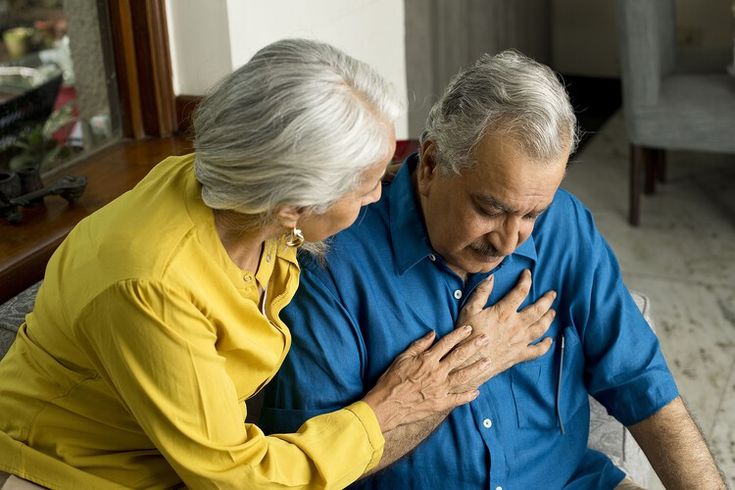
Chest pain must not be ignored, especially if it is strong, comes on suddenly, or lasts a long time. If the pain moves to your arm, jaw, or back, or if you feel sweaty, sick to your stomach, or have trouble breathing, you should get help right away.
At Rhythm Heart & Critical Care Hospital, expert cardiologists and advanced cardiac emergency services ensure rapid diagnosis and life saving treatment. Acting fast can prevent irreversible damage and save lives.
Conclusion
Understanding the difference between angina and a heart attack is important because it can help you get the right care quickly. If you or someone you know has chest pain or other related symptoms, don’t wait. Act fast.
Visit Rhythm Heart & Critical Care Hospital, a leading heart care hospital in Nagpur, for expert evaluation and advanced cardiac care. Early action saves lives, book a heart check-up today.
FAQ’s
1. What is the main difference between angina and a heart attack?
Angina is caused by reduced blood flow to the heart and usually does not cause permanent damage. A heart attack occurs when blood flow is completely blocked, leading to heart muscle damage and requiring emergency treatment.
2. Is angina considered a heart attack?
No, angina is not a heart attack. It is a warning sign of underlying heart disease, while a heart attack is a medical emergency that can be life-threatening if not treated immediately.
3. How can I tell if my chest pain is angina or a heart attack?
Angina pain usually improves with rest or medication and lasts a few minutes. Heart attack pain is severe, lasts longer, and does not improve with rest, often accompanied by sweating, nausea, or breathlessness.
4. Can angina turn into a heart attack?
Yes, untreated or worsening angina can increase the risk of a heart attack. Proper diagnosis, medication, and lifestyle changes can significantly reduce this risk.
5. Does angina always occur during physical activity?
Most cases of angina occur during exertion or stress, but some types may also occur at rest. Any recurring chest discomfort should be evaluated by a cardiologist.
6. When should I go to the hospital for chest pain?
Seek immediate medical attention if chest pain lasts more than 15 – 20 minutes, is severe, or is associated with shortness of breath, dizziness, sweating, or nausea.
7. Are the symptoms of angina different in women?
Yes, women may experience symptoms like fatigue, nausea, shortness of breath, or back and jaw pain rather than classic chest pain, making early diagnosis important.
8. How is Angina vs Heart Attack diagnosed by doctors?
Doctors use ECG, blood tests, stress tests, and imaging studies. Heart attacks show elevated cardiac enzymes and ECG changes, while angina usually does not cause permanent test abnormalities.
9. Can lifestyle changes help prevent both conditions?
Yes, quitting smoking, managing blood pressure and diabetes, eating a heart-healthy diet, regular exercise, and stress control can help prevent angina and reduce heart attack risk.
10. Is immediate treatment important in Angina vs Heart Attack cases?
Immediate treatment is critical for a heart attack to save heart muscle and life. Angina also requires timely medical care to prevent progression to more serious heart conditions.