
Heart blockage may sometimes be managed without surgery using medicines, lifestyle changes and selected therapies, depending on blockage severity and individual cardiac risk.
Can heart blockage be treated without surgery? In some patients, heart blockage may be managed with medicines, lifestyle changes, and selected non-surgical therapies such as EECP. However, the right treatment depends on the severity and location of the blockage, symptoms, test results, and overall heart health.
Heart blockage occurs when plaque builds up inside the coronary arteries and restricts blood flow to the heart. While some patients may benefit from non-surgical management, others may require procedures such as angioplasty or bypass surgery.
This guide explains the available treatment options, when non-surgical approaches may be considered, and when medical intervention may be necessary.

What is Heart Blockage?
It’s critical to comprehend the definition of cardiac blockage prior to exploring surgical therapy alternatives. Heart blockage, sometimes referred to as coronary artery disease (CAD), is the narrowing or blockage of the coronary arteries caused by plaque. Usually, calcium, fatty compounds, cholesterol, and other chemicals found in the blood make up this plaque.
Numerous symptoms and a higher chance of dangerous illnesses might result from the decreased blood flow. To avoid problems and enhance quality of life, early diagnosis and treatment are essential.
Fun Fact: Your heart beats over 100,000 times a day
Can Heart Blockage Be Treated Without Surgery?
In some patients, coronary artery disease can be managed without surgery through prescribed medicines, healthy lifestyle changes, and regular medical monitoring. Medicines may help control symptoms and reduce the risk of heart attack and other cardiovascular complications.
Lifestyle changes such as a heart-healthy diet, regular physical activity, weight management, and quitting smoking can also support better heart health. For some patients with persistent or refractory angina, EECP therapy may be considered as a non-surgical treatment option.
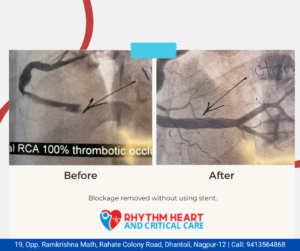
However, severe or significant coronary artery disease may still require angioplasty, stenting, or CABG (bypass surgery). Importantly, “without surgery” does not always mean “without any medical procedure.”
Top Non-Surgical Treatments for Heart Blockage
Let’s explore some of the great options available for heart blockage treatment without surgery.

1. Lifestyle Modifications
Adopting a healthy lifestyle is one of the first stages in healing heart blockage naturally. This comprises:
- A balanced diet should prioritise whole grains, lean meats, fruits, vegetables, and healthy fats. Steer clear of sugary meals, trans fats, and too much salt.
- Frequent physical activity: Cardiovascular and circulatory health can be enhanced by engaging in moderate exercises such as swimming, cycling, or brisk walking for 45 minutes each day.
- Giving up booze and smoking: These chemicals cause plaque to build and seriously impair heart health.
- Stress reduction: Techniques like yoga, meditation, and breathing techniques help people feel less stressed, which reduces blood pressure and strengthens their hearts.
These modifications are an essential component of any non-surgical therapy strategy for heart blockage since they can considerably reduce symptoms and decrease the course of the condition.
2. Medications
Medication is frequently prescribed by doctors to control symptoms and lower risk. These might consist of:
- Statins to decrease plaque and cholesterol.
- Blockers and calcium channel blockers to enhance blood flow and lessen cardiac strain.
- To avoid blood clots, use aspirin or other antiplatelets.
- ACE inhibitors to aid in blood vessel relaxation.
These drugs, when taken under a doctor’s care, are a good way to cure heart blockages without surgery, particularly in mild or early instances.
3. EECP Therapy (Enhanced External Counter Pulsation)
The FDA-approved invasive treatment EECP is frequently used as a substitute for bypass surgery. Cuffs that contract and deflate in time with the heartbeat are used, and they are placed around the legs and thighs. This promotes the growth of new blood vessels around clogged arteries and increases blood flow to the heart.
Numerous individuals report greater exercise tolerance and a notable decrease in angina. An increasingly popular non-surgical option for treating heart blockages is EECP, a safe and painless outpatient procedure.
4. Chelation Therapy
Chelation treatment binds and eliminates heavy metals and minerals from the circulation by administering EDTA, a chelating agent, intravenously. According to some practitioners, it improves blood flow by removing calcium deposits from arteries.
Although not all cardiologists agree with chelation therapy and it is still somewhat contentious, certain research and anecdotal data point to the possibility that it might be used to repair heart blockages in some people without the need for surgery.
5. Ayurvedic and Natural Remedies
For the treatment of cardiac diseases, Ayurveda and herbal therapy are becoming more and more popular in India and many other countries. Some remedies are:
- Terminalia arjuna, or arjuna bark, is known to lessen chest discomfort and enhance heart function.
- Ginger and garlic are natural cholesterol and blood thinners.
- Amla Indian gooseberry: Promotes heart health and is high in antioxidants.
- Panchakarma treatment is an Ayurvedic purification procedure that is said to improve heart health.
These therapies offer an alternative to surgery for treating heart blockages, but they should always be used under the supervision of a qualified professional.
6. Dietary Supplements
Certain supplements can support heart health and may be included in a non-surgical treatment plan:
- Omega-3 fatty acids (from fish oil)
- Coenzyme Q10 (CoQ10)
- Magnesium
- Vitamin D3 and K2
These supplements help reduce inflammation, lower cholesterol, and support heart muscle function. Always consult your doctor before starting any supplement regime.

Most deaths in low-risk cardiac surgery could be avoidable
Can You Reverse Heart Blockage Naturally?
There is mounting evidence that plaque accumulation in the arteries may be managed and even reversed with strict dietary adjustments, natural therapy, and lifestyle modifications. Clinical studies conducted by renowned cardiologists such as Dr. Dean Ornish have demonstrated that rigorous lifestyle changes can enhance blood flow and even lessen pre-existing plaque.
This method offers a safer and more sustainable alternative to surgery for treating heart blockages, but it does need dedication.
When is Surgery Unavoidable?
Even if surgical techniques are beneficial, there are situations in which surgery is required:
- If there is a significant obstruction that results in persistent chest discomfort.
- If a heart attack has occurred in the patient.
- In the event that intrusive treatments and drugs are ineffective.
- If there are several blocked arteries.
It’s crucial to heed the advice in these situations. To enhance general heart health, surgical procedures can still be beneficial even after surgery.
When Are Angioplasty or Bypass Surgery Needed?
Angioplasty or bypass surgery may be recommended when coronary artery blockages are severe, blood flow to the heart is significantly reduced, or symptoms continue despite medicines and lifestyle changes. The choice depends on factors such as the number and location of blocked arteries, blockage severity, symptoms, test results, and overall health.
Angioplasty with stenting may be used to open a narrowed or blocked artery and improve blood flow. CABG (bypass surgery) may be considered for complex or multiple blockages where bypassing the affected arteries may provide better treatment. A cardiologist determines the most suitable approach after a detailed evaluation.
Treatment Comparison Table
| Treatment | When It May Be Considered | Main Purpose | Invasive? |
|---|---|---|---|
| Medicines | Mild to moderate disease or symptom/risk management | Control symptoms and reduce cardiovascular risk | No |
| Lifestyle Changes | Recommended for most patients with coronary artery disease | Improve overall heart health and reduce risk factors | No |
| EECP Therapy | Selected patients with persistent or refractory angina | Improve blood flow and help manage angina symptoms | No |
| Angioplasty & Stenting | Significant blockage causing reduced blood flow or persistent symptoms | Open the narrowed artery and restore blood flow | Yes |
| CABG (Bypass Surgery) | Complex, multiple, or severe coronary blockages in selected patients | Create a new route for blood flow around blocked arteries | Yes |
Final Thoughts
Heart blockage treatment without surgery may be possible for some patients through prescribed medicines, lifestyle changes, and selected non-surgical therapies such as EECP. However, treatment depends on the severity and location of the blockage, symptoms, test results, and overall heart health. Not every patient can avoid angioplasty or bypass surgery, especially when blockages are severe or symptoms continue despite medical treatment.
If you or a loved one has been diagnosed with heart blockage, consult an experienced cardiologist to know the most appropriate treatment options.
Contact Rhythm Hospital for a detailed cardiac evaluation and personalized guidance based on your condition. Early diagnosis, proper treatment, and long-term heart-healthy habits can help support better cardiovascular health.
FAQ’s
1. Can heart blockage be treated without surgery?
Yes, heart blockage can be managed without surgery through medications, lifestyle changes, and non-invasive therapies like EECP.
2. What are the good non-surgical treatments for heart blockage?
Lifestyle changes, medications, EECP therapy, dietary supplements, and natural remedies are commonly used non-surgical options.
3. Is EECP therapy effective for heart blockage?
Yes, EECP therapy improves blood flow, reduces chest pain, and helps develop natural bypass vessels in some patients.
4. Can medicines reduce heart blockage?
Medicines can help control symptoms and reduce cardiovascular risks associated with coronary artery disease. They should be taken only as prescribed by a qualified cardiologist.
5. Which medicines are used for heart blockage without surgery?
Doctors may prescribe statins, beta-blockers, ACE inhibitors, and blood thinners to manage symptoms and prevent complications.
6. Are natural remedies safe for treating heart blockage?
Natural remedies like garlic, amla, and arjuna may support heart health but should be used under medical supervision.
7. How long does non-surgical treatment take to show results?
Results vary, but with consistent treatment and lifestyle changes, improvements can be seen within a few weeks to months.
8. Can heart blockage be reversed completely without surgery?
In some early cases, strict lifestyle and medical management may help reduce or stabilize plaque buildup.
9. Who is suitable for non-surgical heart blockage treatment?
Patients with mild to moderate blockage, or those unfit for surgery, are often good candidates for non-invasive treatments.
10. Which doctor should I consult for heart blockage?
A cardiologist can evaluate heart blockage using symptoms, medical history, and appropriate cardiac tests and recommend suitable treatment options based on the patient’s condition.