- 19, Opp. Ramkrishna Math, Rahate Colony Road, Dhantoli, Nagpur -12, +91 9413564868
ASD/VSD/PDA device closure
ASD, VSD, and PDA are congenital heart conditions that can cause abnormal blood flow through the heart or major blood vessels.
In selected patients, device closure can treat these defects through a catheter-based procedure, avoiding open-heart surgery. Rhythm Heart & Critical Care provides evaluation and interventional cardiac care for congenital heart conditions in Nagpur.
What is ASD / VSD / PDA Device Closure?
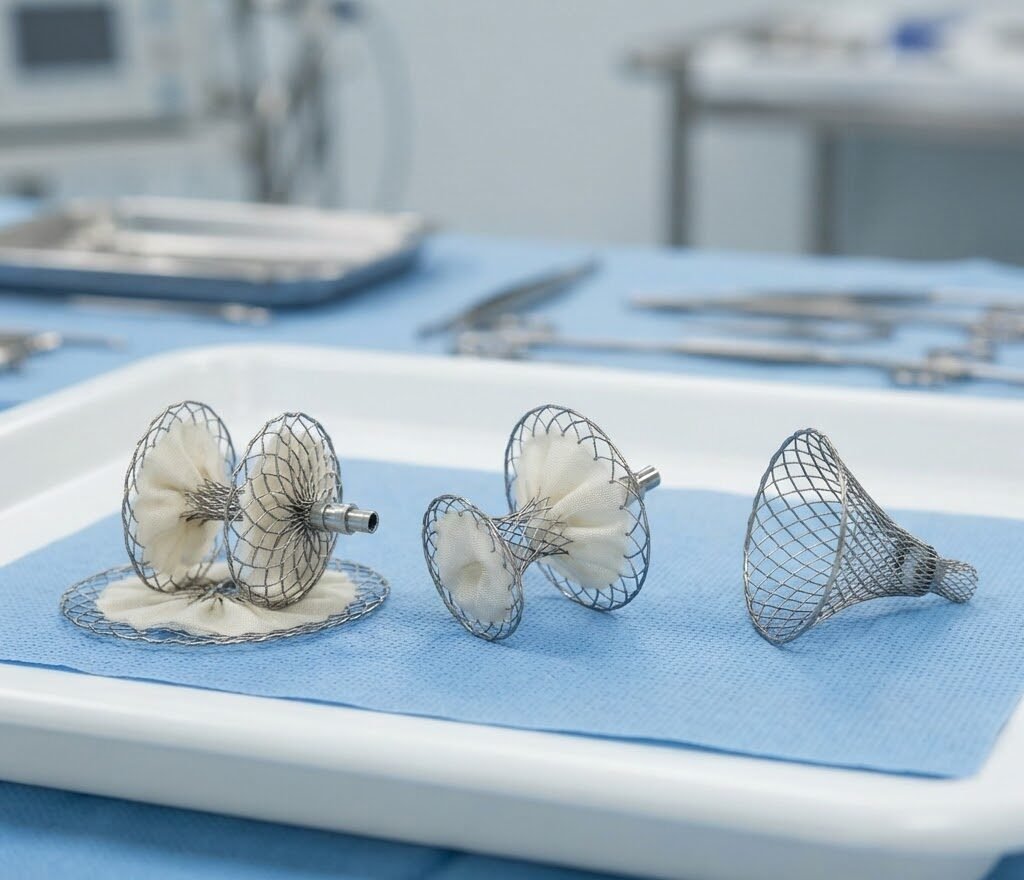
Device closure is a minimally invasive treatment in which a specially designed closure device is delivered through a catheter and positioned to seal an abnormal opening or connection.
- ASD (Atrial Septal Defect): An opening between the upper chambers of the heart.
- VSD (Ventricular Septal Defect): An opening between the lower chambers of the heart.
- PDA (Patent Ductus Arteriosus): An abnormal connection between the aorta and pulmonary artery that remains open after birth.
Not every defect requires device closure. Suitability depends on the defect’s size, location, anatomy, symptoms, and heart function.
When is Device Closure Recommended?
Device closure may be considered when an ASD, VSD, or PDA causes significant abnormal blood flow or other cardiac effects. Your cardiologist may recommend detailed echocardiography and other investigations before deciding whether catheter-based closure is appropriate.
How is the Procedure Performed?
The procedure is performed through a catheter inserted into a blood vessel, commonly through the groin. Using imaging guidance, the cardiologist positions the closure device at the defect. Once the position and blood flow are checked, the device is released to seal the abnormal opening.
Benefits of Device Closure
- Minimally invasive approach
- No large chest incision
- Suitable for selected congenital heart defects
- Shorter recovery compared with open surgery in appropriate cases
- Allows regular follow-up of heart function and device position
Precautions Before ASD / VSD / PDA Device Closure
Before device closure, complete all recommended cardiac tests and imaging. Inform your medical team about allergies, health conditions, and current medicines. Discuss blood-thinning medicines with your doctor. Report fever or infection promptly. Follow hospital fasting instructions carefully and keep previous cardiac reports and treatment records available for proper evaluation and planning.
Precautions After Device Closure
Take Prescribed Medicines
Take all prescribed medicines regularly and follow your cardiologist’s instructions carefully during the recovery period.
Care for the Access Site
Keep the catheter-access area clean and dry, and check for bleeding, swelling, redness, or unusual discomfort.
Avoid Strenuous Activities
Avoid heavy lifting and strenuous exercise until your doctor confirms that normal physical activity can safely resume.
Monitor Warning Symptoms
Report chest pain, breathlessness, fever, dizziness, unusual weakness, or other concerning symptoms to your medical team promptly.
Attend Follow-Up Appointments
Attend scheduled follow-up visits and echocardiography to monitor the closure device, heart function, and overall recovery.
Follow Long-Term Heart Care
Follow your cardiologist’s advice regarding physical activity, medicines, lifestyle habits, and ongoing heart health after device closure.
Why Choose Rhythm Heart & Critical Care?
Rhythm Heart & Critical Care provides comprehensive cardiac care with advanced diagnostic and interventional facilities in Nagpur. The hospital offers evaluation and treatment for various congenital heart conditions, including ASD, VSD, and PDA. Dr. Manish Juneja has experience in pediatric cardiac interventions and device closure procedures.
Patients receive personalized evaluation, appropriate treatment planning, and regular follow-up care based on their heart condition, age, medical history, and individual treatment requirements.