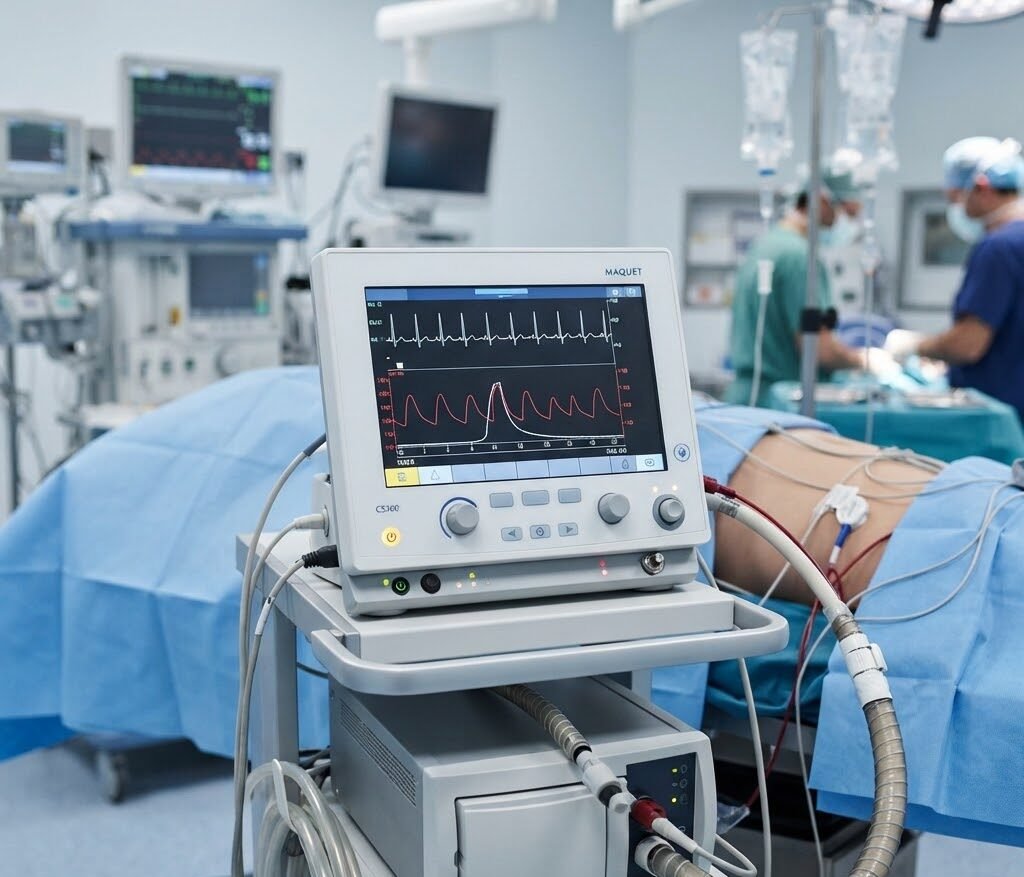
intra-Aortic Balloon Pump (IABP) is a temporary mechanical circulatory support device used in selected patients with severe heart conditions. It helps improve blood flow to the heart and supports the heart when it is unable to pump effectively. IABP may be considered in situations such as cardiogenic shock, severe heart failure, or certain high-risk cardiac emergencies. Rhythm Heart & Critical Care provides advanced cardiac and critical care services in Nagpur.
What is an IABP?
An IABP consists of a thin catheter with a balloon that is placed inside the aorta. The balloon inflates and deflates at specific points during the cardiac cycle to support circulation and reduce the workload on the heart.
It is generally used as temporary support, while the underlying cardiac condition is treated.
When is IABP Used?
IABP may be considered in selected patients with:
Cardiogenic shock
Severe heart failure
Certain high-risk heart attacks
Low blood pressure related to reduced heart pumping
Selected high-risk cardiac procedures
The decision depends on the patient’s condition, heart function, blood pressure, and overall clinical situation.
How Does IABP Work?
The balloon is inserted through a blood vessel, usually through the groin, and positioned in the aorta. It inflates and deflates in coordination with the heartbeat.
This can help increase coronary blood flow and reduce the workload required from the heart. IABP is used under continuous monitoring in an appropriate cardiac or critical-care setting.
Benefits of IABP Support
Provides temporary circulatory support
Helps improve blood flow to the heart
Can reduce cardiac workload
May support patients during serious cardiac conditions
Can be used alongside treatment for the underlying heart problem
Precautions During IABP Support
Continuous Monitoring
Heart rate, blood pressure, oxygen levels, and other vital signs require close monitoring.
Check the Insertion Site
The catheter site should be regularly assessed for bleeding or swelling.
Monitor Leg Circulation
Changes in leg colour, temperature, sensation, or pulse should be reported immediately.
Follow Positioning Instructions
Follow the medical team’s instructions regarding movement while the catheter is in place.
Take Medicines as Advised
Continue prescribed medicines and anticoagulation when directed by the treating team.
Report New Symptoms
Chest pain, breathing difficulty, bleeding, or sudden weakness should be reported immediately.
Why Choose Rhythm Heart & Critical Care?
Rhythm Heart & Critical Care provides cardiac and critical-care services in Nagpur, including emergency cardiac management, Cath Lab facilities, and intensive cardiac care. The hospital’s team manages complex cardiac conditions requiring close monitoring and advanced interventional support.