- 19, Opp. Ramkrishna Math, Rahate Colony Road, Dhantoli, Nagpur -12, +91 9413564868

Coronary artery bypass grafting
Coronary Artery Bypass Grafting (CABG) in Nagpur
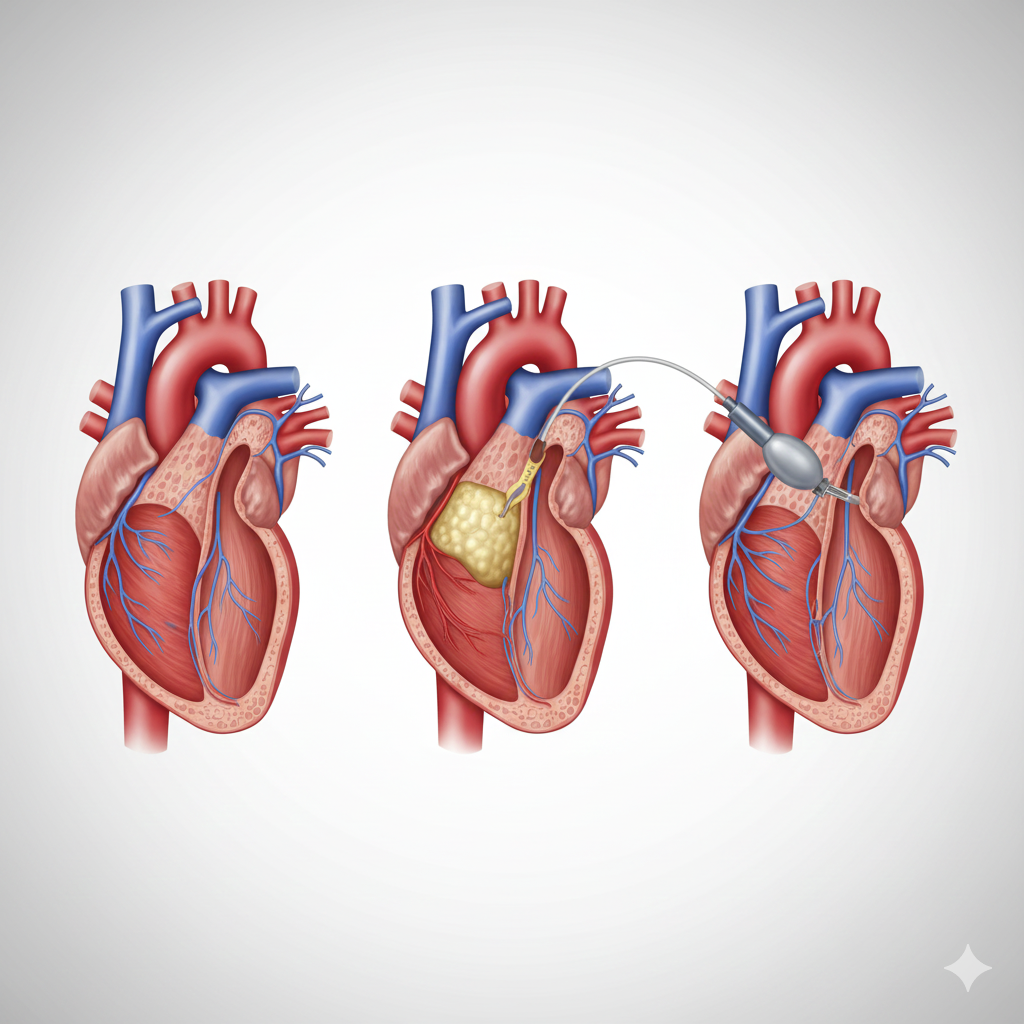
Coronary Artery Bypass Grafting (CABG), commonly called heart bypass surgery, is a surgical treatment for severe coronary artery disease (CAD). It creates a new pathway for blood to reach the heart muscle when one or more coronary arteries are significantly narrowed or blocked.
CABG may be recommended when coronary blockages are extensive, symptoms continue despite treatment, or angioplasty may not be the most suitable option. At Rhythm Heart & Critical Care Hospital, Nagpur, patients receive comprehensive cardiac evaluation and treatment planning based on their individual coronary condition.
What Is Coronary Artery Bypass Surgery?
In CABG, a healthy blood vessel, called a graft, is taken from another part of the body and connected to the coronary artery beyond the blocked area. This creates an alternative route for blood flow to the heart muscle.
The graft may be obtained from the chest, arm, or leg, depending on the surgical plan and patient’s condition.
When Is CABG Recommended?
A cardiologist or cardiac surgeon may consider coronary bypass surgery in Nagpur when a patient has:
- Severe or multiple coronary artery blockages
- Significant narrowing in important coronary vessels
- Persistent angina despite medical treatment
- Certain patterns of multivessel coronary artery disease
- Coronary disease where bypass surgery is considered more appropriate than angioplasty
The final decision is based on coronary angiography, heart function, symptoms, medical history, and overall health.
How Is CABG Surgery Performed?
1. Pre-Surgery Assessment
The medical team evaluates the coronary blockages, heart function, blood tests, and other health conditions before surgery.
2. Graft Preparation
A suitable healthy blood vessel is selected to create the bypass route.
3. Creating the Bypass
The graft is connected so blood can flow around the blocked or severely narrowed coronary artery.
4. Post-Surgery Monitoring
After the operation, the patient is monitored in the cardiac ICU before gradually moving toward routine recovery and rehabilitation.
Benefits of CABG
For appropriately selected patients, CABG may:
- Improve blood supply to the heart
- Reduce angina and related symptoms
- Improve ability to perform daily activities
- Provide a durable treatment option for selected severe coronary disease
- Reduce the risk of future cardiac complications in appropriate patients
The expected results depend on the severity of coronary disease and the patient’s overall health.
CABG Recovery and Lifestyle
Recovery after heart bypass surgery takes time. Patients are generally advised to follow their medication schedule, gradually increase physical activity, attend cardiac rehabilitation when recommended, and maintain a heart-healthy lifestyle.
Managing blood pressure, diabetes, cholesterol, body weight, and smoking is also important for protecting the bypass grafts and overall heart health.
Precautions After CABG Surgery
Follow these precautions carefully to support safe recovery and protect your heart after CABG surgery.
1. Take Medicines Consistently
Take prescribed medicines exactly as directed. Do not stop heart or blood-thinning medicines without consulting your doctor.
2. Care for the Surgical Wound
Keep the incision clean and follow the wound-care instructions. Report increasing redness, swelling, discharge, or fever.
3. Increase Activity Gradually
Walking and other activities should be increased step by step according to your recovery plan. Avoid heavy lifting until your cardiac team permits it.
4. Follow Your Diet Plan
Choose a heart-healthy diet with appropriate amounts of salt, saturated fat, and processed foods as advised by your healthcare team.
5. Attend Cardiac Rehabilitation
If recommended, participate in cardiac rehabilitation to safely rebuild strength and improve cardiovascular fitness.
6. Do Not Ignore Warning Symptoms
Seek medical attention for severe or recurring chest pain, significant breathlessness, fainting, persistent fever, or unusual wound problems.
Possible Risks of CABG
CABG is a major cardiac surgery and, like other major operations, can have potential complications. These may include infection, bleeding, abnormal heart rhythms, breathing problems, kidney complications, or other surgery-related issues. The individual risk depends on factors such as age, diabetes, kidney function, heart function, and overall health. Rhythm Hospital also highlights the importance of pre-surgical evaluation and postoperative monitoring to manage these risks.
Why Choose Rhythm Heart & Critical Care for CABG in Nagpur?
Rhythm Heart & Critical Care Hospital provides comprehensive cardiac care in Nagpur, including bypass surgery, angioplasty, angiography, cardiac surgery, critical care, and cardiac rehabilitation. The hospital’s published information also highlights advanced cardiac facilities and experienced cardiac specialists.
The treatment plan is developed after assessing the patient’s coronary anatomy, symptoms, heart function, and suitability for surgical or interventional treatment.