- 19, Opp. Ramkrishna Math, Rahate Colony Road, Dhantoli, Nagpur -12, +91 9413564868

Chronic Total Occlusion (CTO) Interventions in Nagpur
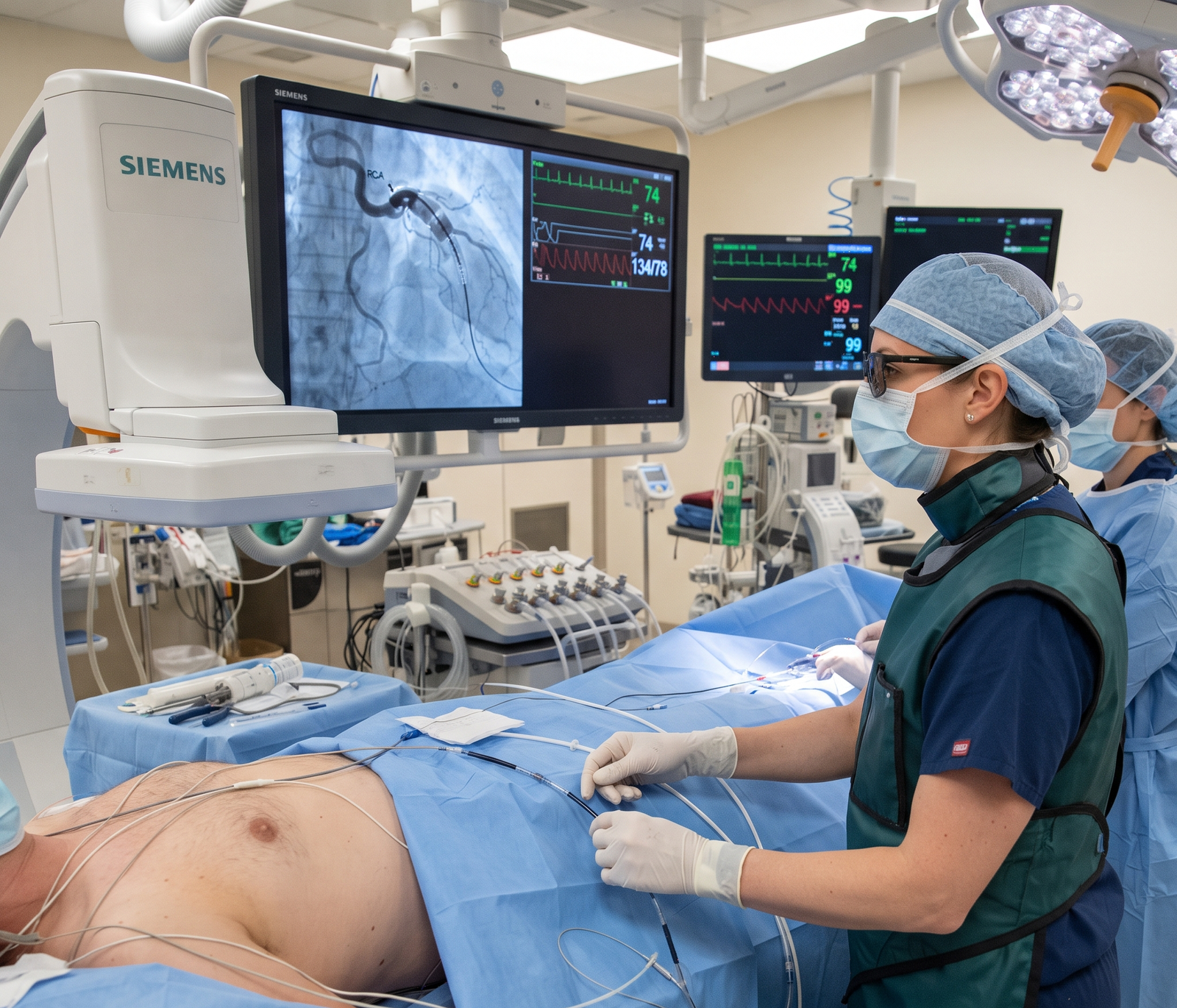
Chronic Total Occlusion (CTO) intervention is an advanced coronary procedure used to treat a coronary artery that has been completely blocked for a long period, generally three months or more. A CTO can reduce blood flow to the heart muscle and may cause symptoms such as chest pain, breathlessness, or reduced exercise tolerance. CTO angioplasty is technically more complex than routine angioplasty and requires specialized techniques, equipment, and experience. At Rhythm Heart And Critical Care Hospital, CTO intervention may be considered for appropriately selected patients after detailed evaluation of their coronary anatomy and overall heart health.
What Is Chronic Total Occlusion (CTO)?
A Chronic Total Occlusion is a complete blockage of a coronary artery that has been present for an extended period. Because the artery is fully blocked, passing a conventional guidewire through the blockage can be challenging. In some patients, smaller alternative blood vessels called collaterals may develop over time and provide blood to the area supplied by the blocked artery. However, these may not always provide sufficient blood flow.
When Is CTO Intervention Recommended?
CTO intervention may be considered for selected patients who have:
- Persistent chest pain or angina
- Breathlessness or reduced exercise capacity
- Evidence of reduced blood flow to the heart muscle
- A significant coronary artery blockage identified during angiography
- Symptoms that continue despite appropriate medical treatment
The decision depends on symptoms, heart function, blockage location, viability of the heart muscle, and the patient’s overall health.
How Is CTO Angioplasty Performed?
1. Coronary Angiography
The cardiologist first evaluates the blocked artery and surrounding coronary vessels using angiography.
2. Guidewire Crossing
Specialized guidewires and catheters are carefully used to cross the chronic blockage. Depending on the anatomy, the cardiologist may approach the blockage from the front of the artery or through collateral vessels.
3. Balloon Angioplasty
Once the blockage has been successfully crossed, a balloon may be used to open and prepare the narrowed segment.
4. Stent Placement
A coronary stent may be placed to help maintain adequate blood flow through the treated artery.
5. Final Assessment
The cardiologist checks blood flow and the result of the intervention before completing the procedure.
Benefits of CTO Intervention
For appropriately selected patients, successfully opening a chronic total occlusion may help:
- Improve blood flow to the heart muscle
- Reduce angina or chest discomfort
- Improve exercise capacity
- Improve quality of life
- Reduce the need for ongoing symptom-related treatment in some patients
The expected benefit varies from patient to patient and should be discussed with the treating cardiologist.
Why Is CTO Intervention Challenging?
CTO procedures can be more technically demanding than routine angioplasty because the artery has been completely blocked for a long time. The blockage may contain hard or fibrotic tissue, making guidewire crossing difficult.
Advanced CTO techniques, specialized equipment, and detailed knowledge of coronary anatomy may be required. In selected cases, IVUS or OCT may also provide additional information during coronary intervention.
Is CTO Angioplasty Safe?
CTO intervention is an invasive cardiac procedure and, like other coronary interventions, carries potential risks. These can include bleeding at the catheter insertion site, blood vessel injury, abnormal heart rhythm, coronary artery complications, or other procedural complications.
The cardiology team evaluates the potential benefits and risks before recommending the procedure.
Precautions for CTO Intervention
Take Medicines as Prescribed
Continue prescribed heart medicines and do not stop antiplatelet or other medications without consulting your cardiologist.
Inform Your Doctor About Medical History
Tell your cardiologist about allergies, kidney problems, diabetes, previous procedures, and all medicines you are taking.
Follow Pre-Procedure Instructions
Follow the instructions regarding fasting, medications, and necessary blood tests before the procedure.
Care for the Catheter Site
After the procedure, keep the catheter insertion area clean and watch for unusual bleeding, swelling, or increasing pain.
Avoid Heavy Physical Activity Initially
Follow your doctor’s advice about exercise, lifting weights, and other strenuous activities during the initial recovery period.
Attend Follow-Up Appointments
Regular follow-up helps your cardiologist monitor recovery, review the procedure results, and adjust treatment when required.